Types of Events We Coordinate
Corporate celebrations take many forms, each with distinct requirements and considerations. The examples below illustrate how planning approaches vary based on event type, organizational culture, and specific objectives.
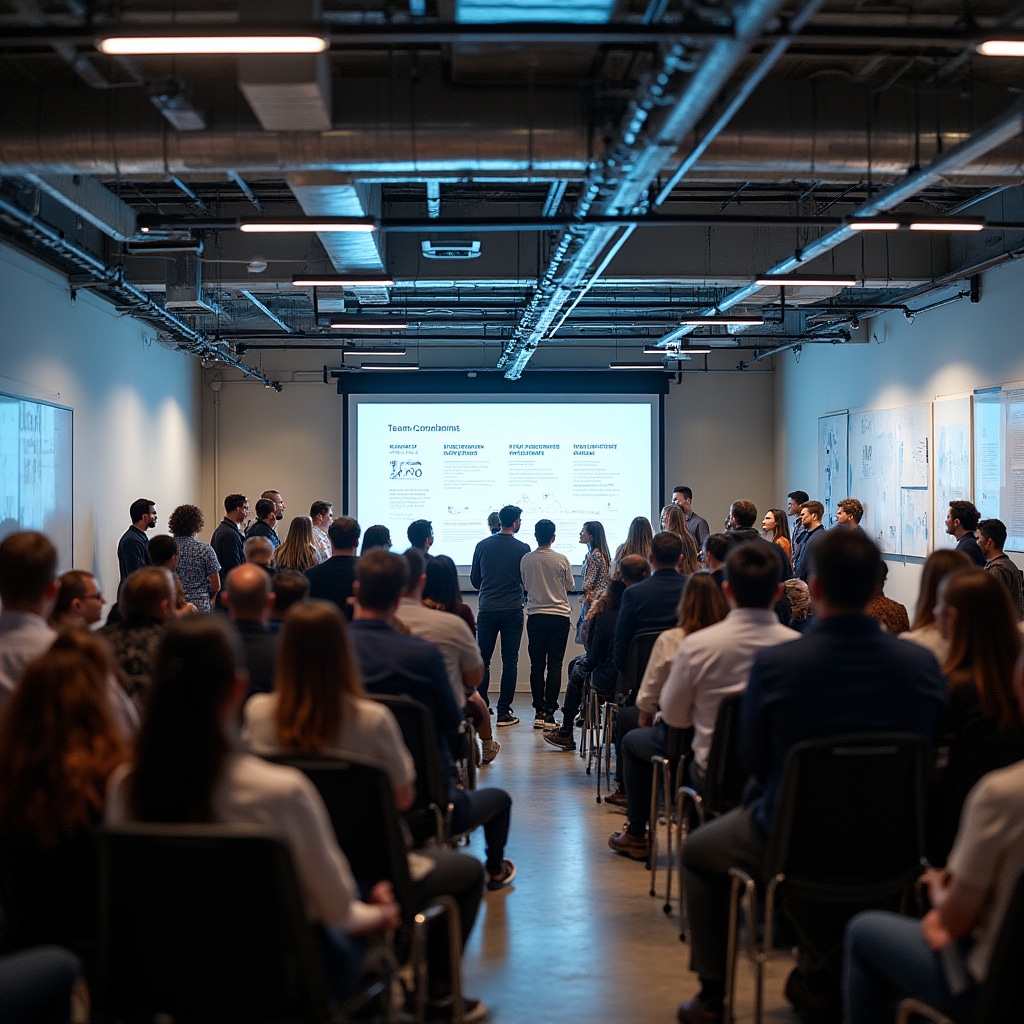
Company Anniversary Celebrations
Anniversary events mark significant organizational milestones—5 years, 10 years, 25 years, or longer. These celebrations typically balance honoring company history with looking toward future goals.
Planning considerations include venue selection that accommodates the full team, programme design that acknowledges founding principles while celebrating current achievements, and creating opportunities for employees across different tenure levels to connect and share perspectives on company evolution.
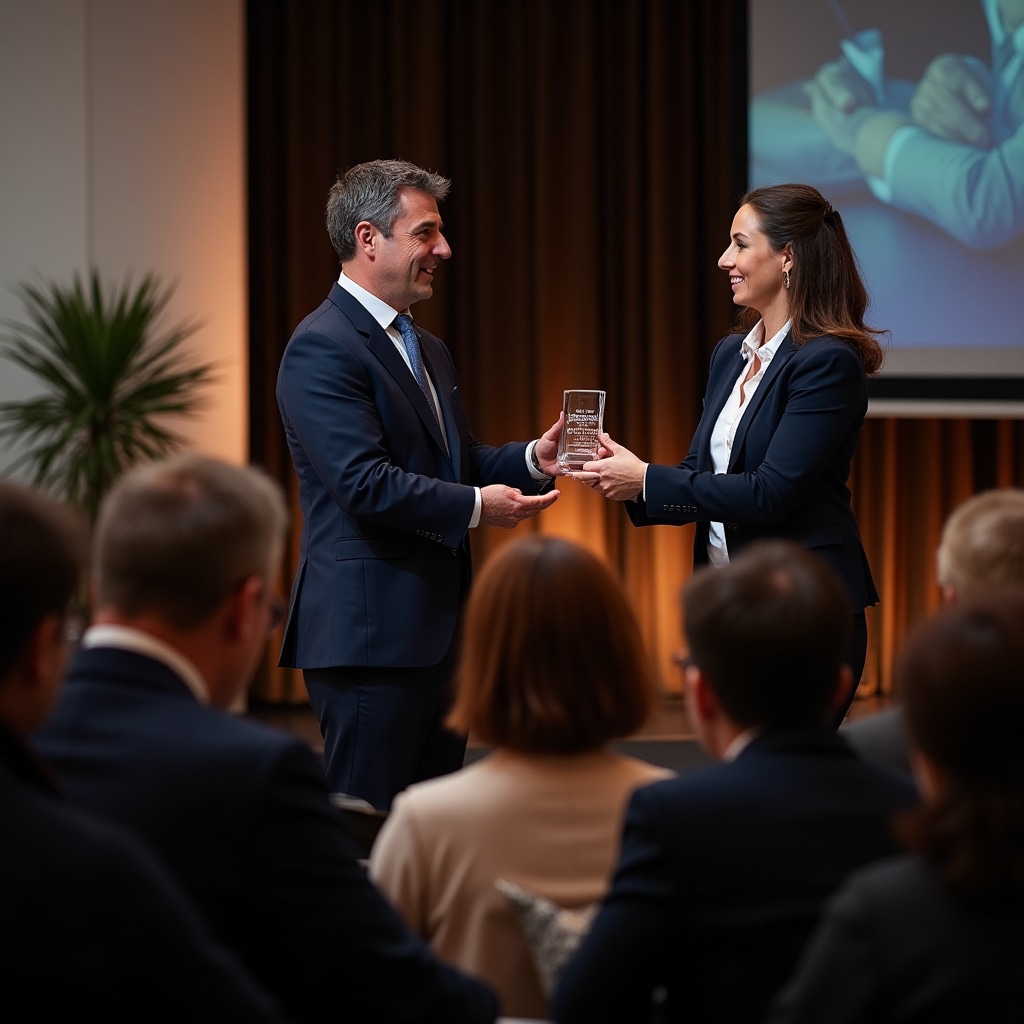
Internal Award Ceremonies
Recognition events honor individual and team achievements through formal or semi-formal ceremonies. The key challenge is creating moments that feel meaningful to recipients while engaging attendees who may not be directly recognized.
Effective ceremonies require careful programme pacing, clear presentation of achievements being honored, appropriate formality level for organizational culture, and opportunities for colleagues to celebrate together beyond the formal recognition moments.
Milestone Achievement Events
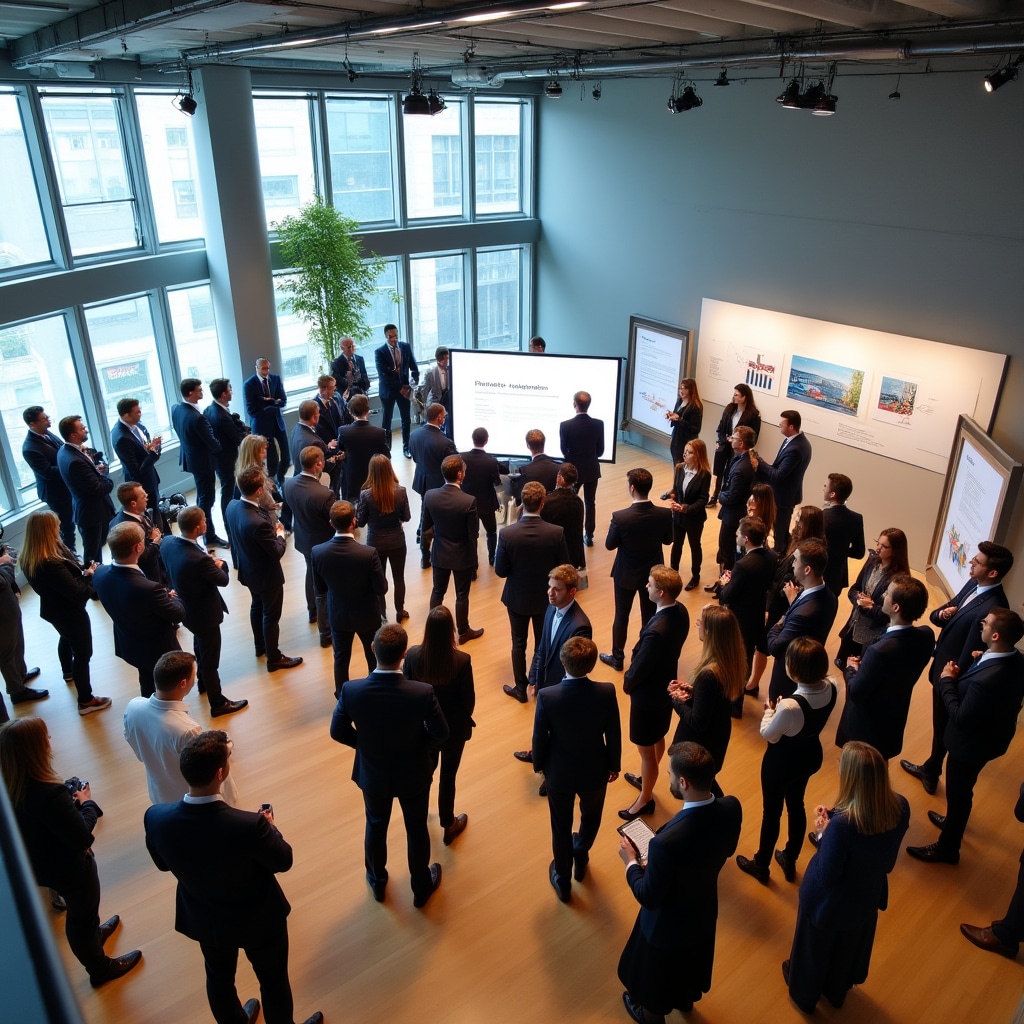
These celebrations mark specific organizational accomplishments—major project completions, expansion milestones, revenue targets, or other significant achievements that warrant recognition.
Unlike anniversary events focused on time passage, milestone celebrations emphasize specific accomplishments. Planning involves clearly communicating what is being celebrated, acknowledging teams and individuals who contributed, and connecting the achievement to broader organizational objectives.
Event Scale Variations
Corporate celebrations range from intimate gatherings to large-scale events. Each scale presents distinct planning considerations and coordination requirements.
Small Team Events
Gatherings for teams of 20-50 people allow for more intimate settings and personal interaction. Planning focuses on creating comfortable environments that encourage conversation while maintaining appropriate structure for recognition or celebration purposes.
Department Celebrations
Events for 50-150 participants require more structured programmes and careful logistical coordination. Venue selection, audiovisual needs, and programme timing become more critical at this scale.
Company-Wide Gatherings
Large events exceeding 150 attendees involve complex coordination across multiple service providers, detailed timeline management, and careful attention to technical requirements that support clear communication to all participants.
Planning Considerations Across Event Types
While each event is unique, certain planning elements require attention regardless of celebration type or scale.
Venue Appropriateness
Selecting spaces that suit event formality level, accommodate attendee count comfortably, provide necessary technical capabilities, and align with budget parameters.
Programme Flow
Designing event sequences that maintain engagement, allow for both structured and informal interaction, and achieve celebration objectives within appropriate timeframes.
Recognition Approach
Creating acknowledgment moments that feel authentic to organizational culture, honor achievements appropriately, and resonate with both recipients and broader attendee group.
Logistical Coordination
Managing vendor relationships, coordinating technical requirements, handling catering arrangements, and ensuring all elements come together on schedule.
Communication Planning
Developing clear pre-event communication to attendees, coordinating day-of information sharing, and managing any announcements or presentations during the event.
Budget Management
Allocating resources effectively across event elements, identifying areas where value can be maximized, and making informed decisions when trade-offs are necessary.
Behind the Scenes Coordination
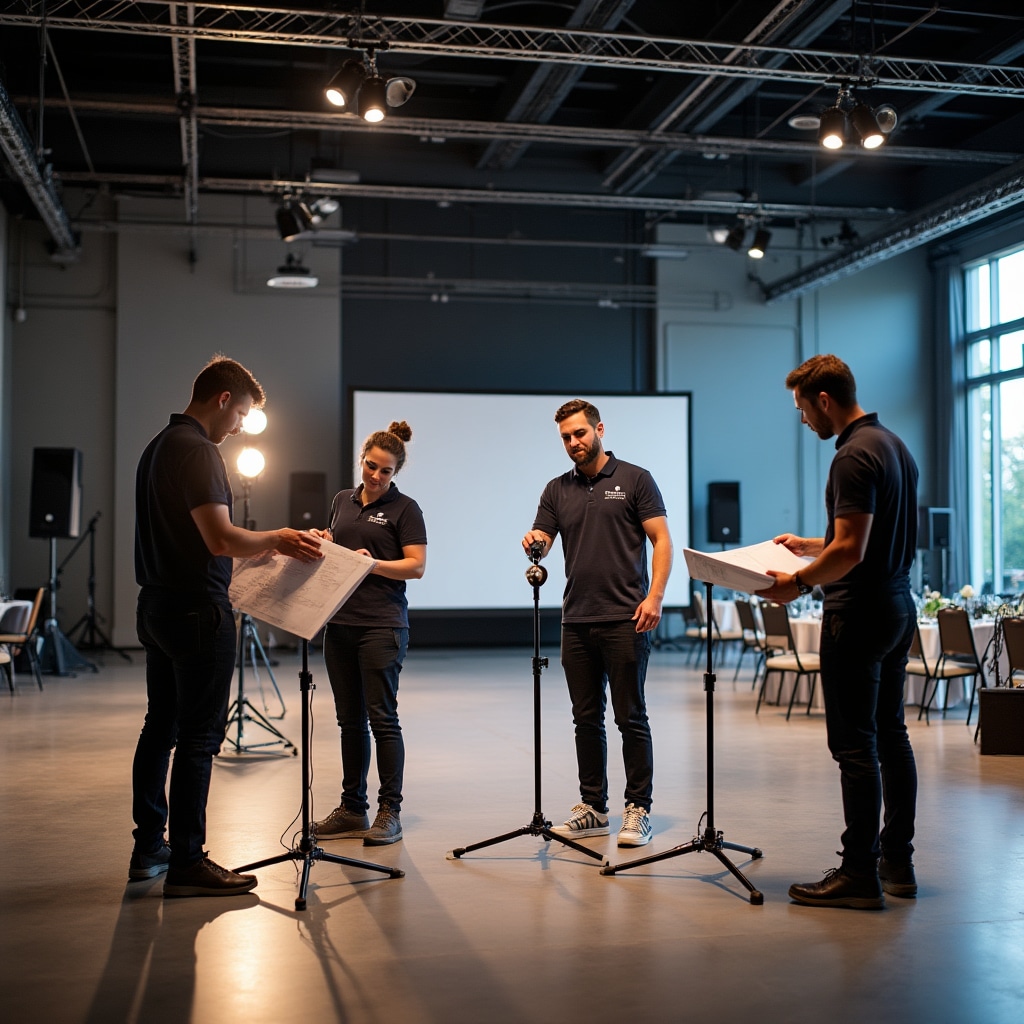
Successful events require extensive preparation that attendees do not see. This includes venue walkthroughs, technical testing, vendor coordination meetings, timeline development, contingency planning, and day-of execution oversight.
Our role involves managing these behind-the-scenes elements so that events appear seamless to participants. This allows organizational leaders and team members to focus on the celebration itself rather than logistical details.
Adapting to Organizational Culture
Company culture significantly influences appropriate event design. A technology startup celebrating rapid growth has different expectations than an established manufacturing company marking decades of operation.
We adapt planning approaches to reflect these cultural differences. This might mean choosing more casual venues and interactive formats for some organizations, while others prefer traditional settings and formal programmes. Understanding these preferences comes from initial consultations and ongoing communication throughout the planning process.
Industry Considerations
Different industries have distinct norms around corporate celebrations. Professional services firms may prefer elegant, understated events. Creative agencies might favor more experimental approaches. Manufacturing companies often value practical, straightforward celebrations that honor long-term contributions.
These industry patterns inform but do not dictate our planning. Each organization within an industry has its own character, and event design should reflect that specific identity rather than generic industry stereotypes.
Programme Timing and Pacing
Event duration and internal pacing require careful consideration. Too brief and important moments feel rushed; too long and engagement wanes. We work with you to determine appropriate event length based on objectives, attendee expectations, and practical constraints.
Within events, pacing involves balancing formal elements like speeches or award presentations with informal time for conversation, networking, and shared experience. This balance varies based on event type and organizational preferences.
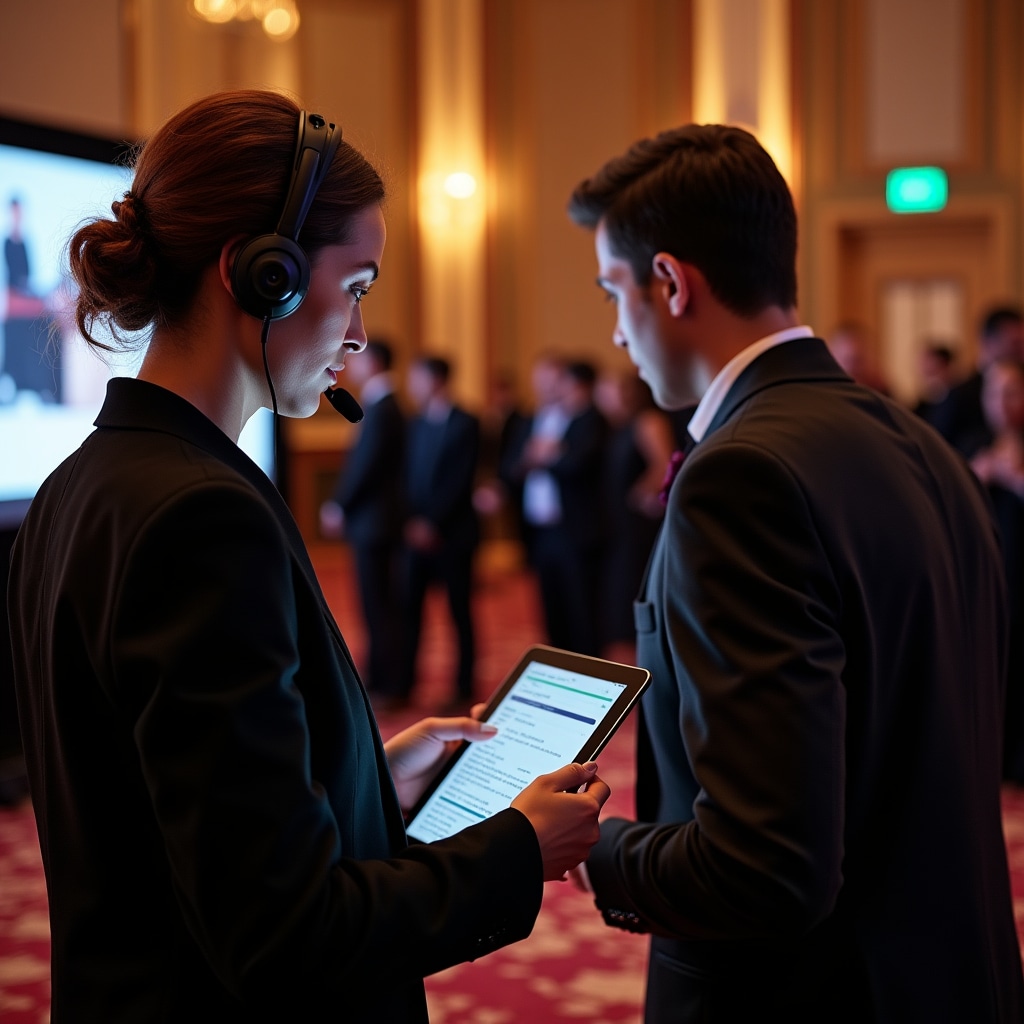
Technical and Audiovisual Elements
Most corporate events require some level of technical support—microphones for speakers, projection for presentations, lighting that creates appropriate atmosphere, and sound systems that ensure everyone can hear clearly.
We coordinate these technical elements, working with venue teams or bringing in specialized providers when needed. This includes advance testing to identify and resolve potential issues before events begin, and having technical support available during events to address any problems quickly.
Visual Presentation
Many events incorporate visual elements—company history timelines, achievement highlights, photo collections, or branded materials that reinforce organizational identity. These elements require coordination with graphic designers or internal marketing teams, technical setup for display, and integration into overall event design.
Post-Event Considerations
Event coordination extends beyond the celebration itself. Post-event activities might include coordinating cleanup, managing vendor final payments, gathering feedback for future planning, and documenting the event through photography or other means if desired.
We handle these concluding tasks, ensuring all loose ends are addressed and providing any documentation or insights that might inform future event planning within your organization.